Starting from nothing, at any age
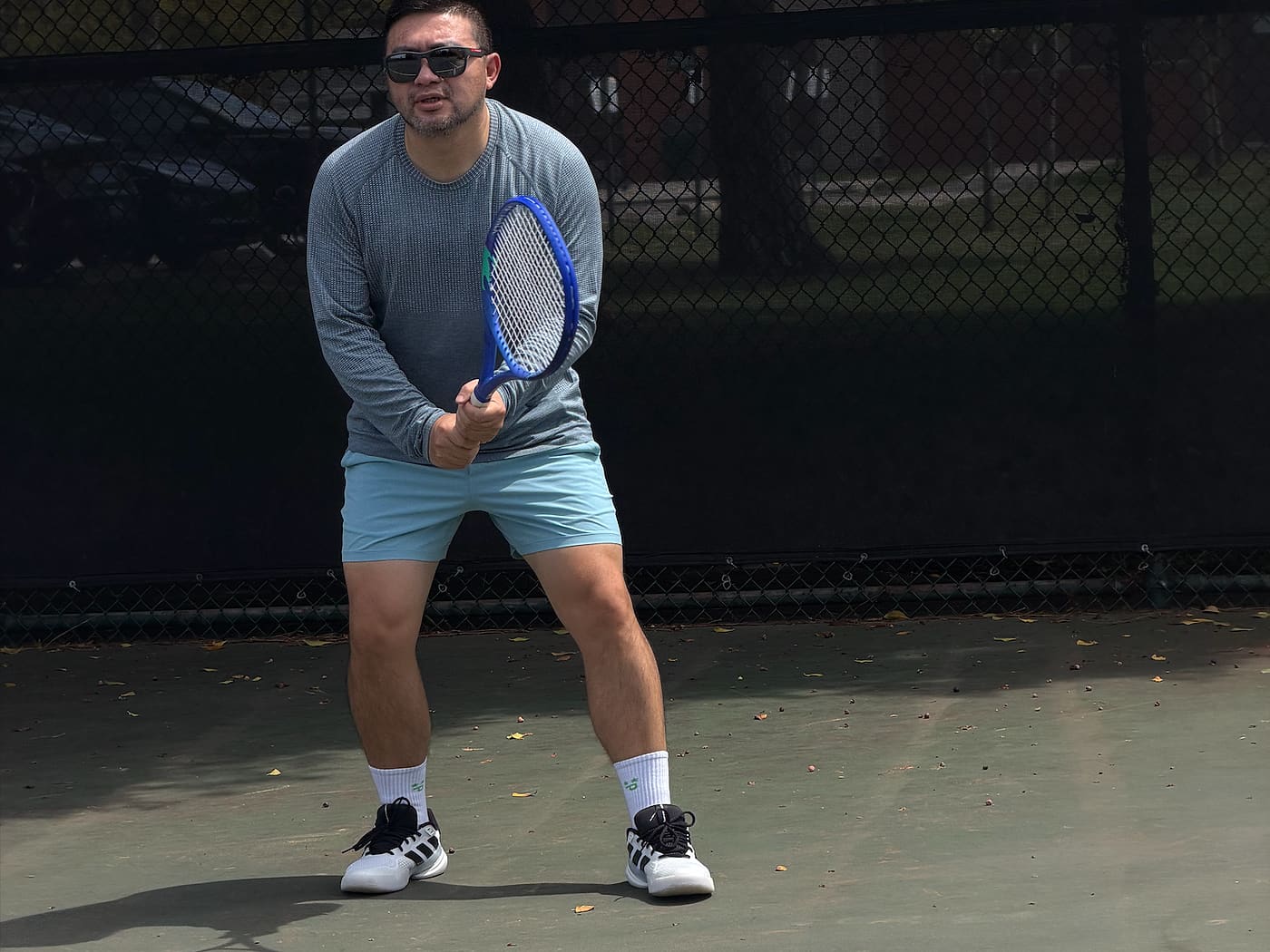
The most common thing an adult beginner says in a first lesson is a version of "sorry, I am terrible at this." You are not terrible at this. You have never been taught it. Those are completely different problems and only one of them takes an hour to start fixing.
Adults learn tennis differently from children — faster in some ways, because you can understand an explanation, and slower in others, because you will overthink a swing that a nine-year-old just copies. Good adult coaching works with that instead of against it: fewer instructions at once, clear reasons behind each one, and enough live ball early on that it feels like tennis rather than homework.
We start adults at every age. Thirties, fifties, seventies. The oldest players in this program started later than the youngest ones did, and several of them now play twice a week.
Coming back after years away
Returning players are the most rewarding group to coach and the most frustrating to be. You know what the shot is supposed to feel like. Your body has quietly renegotiated the terms.
In practice, returning players usually need three things: a technical audit of what has drifted, a movement reset so the feet get there in time, and permission to stop trying to hit the shot they could hit at twenty-two. That last one is often the one that unlocks the rest.
Most returning players see a visible difference inside four to six sessions — not because anything dramatic changed, but because the two or three drifted habits get corrected before they become permanent.
League, doubles and competitive adult play
If you play USTA league, club ladders or serious social doubles, the coaching changes shape. Technique still matters, but the wins come from tactics: serve placement, return position, poaching, who covers what on a lob, and what your team actually does when the pace goes up.
Doubles is coached properly here rather than treated as singles with a partner in the way. Positioning, movement as a pair, communication patterns and the specific formations that beat the teams you keep losing to.
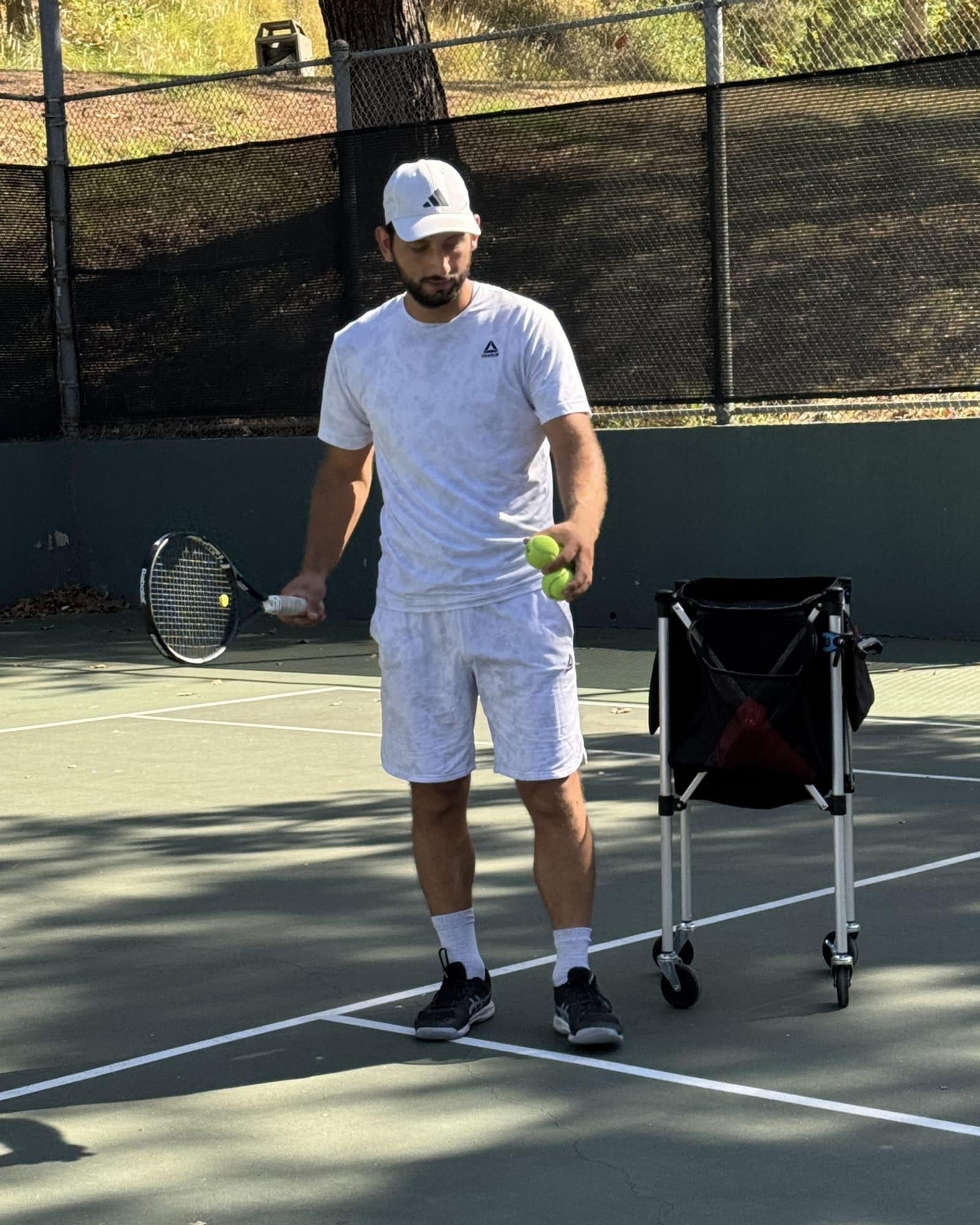
Adults competing at a decent level are usually better served booking Markos at $120 — the technical and tactical depth is what the extra twenty dollars buys.
Fitting it around a real schedule
Early mornings before work, lunch hours, and evenings after six are the slots adults actually keep. We coach across all of them, and we book the court, which removes the single most common reason adult players stop taking lessons — the admin.
If you want a fixed weekly slot, say so when you book. Holding the same hour every week is far more effective than fitting a lesson in when you remember, and the weekly package makes it cheaper per session as well.